
Understanding the Importance of Body Measurement Tracking
The Role of Body Measurements in Health and Wellness
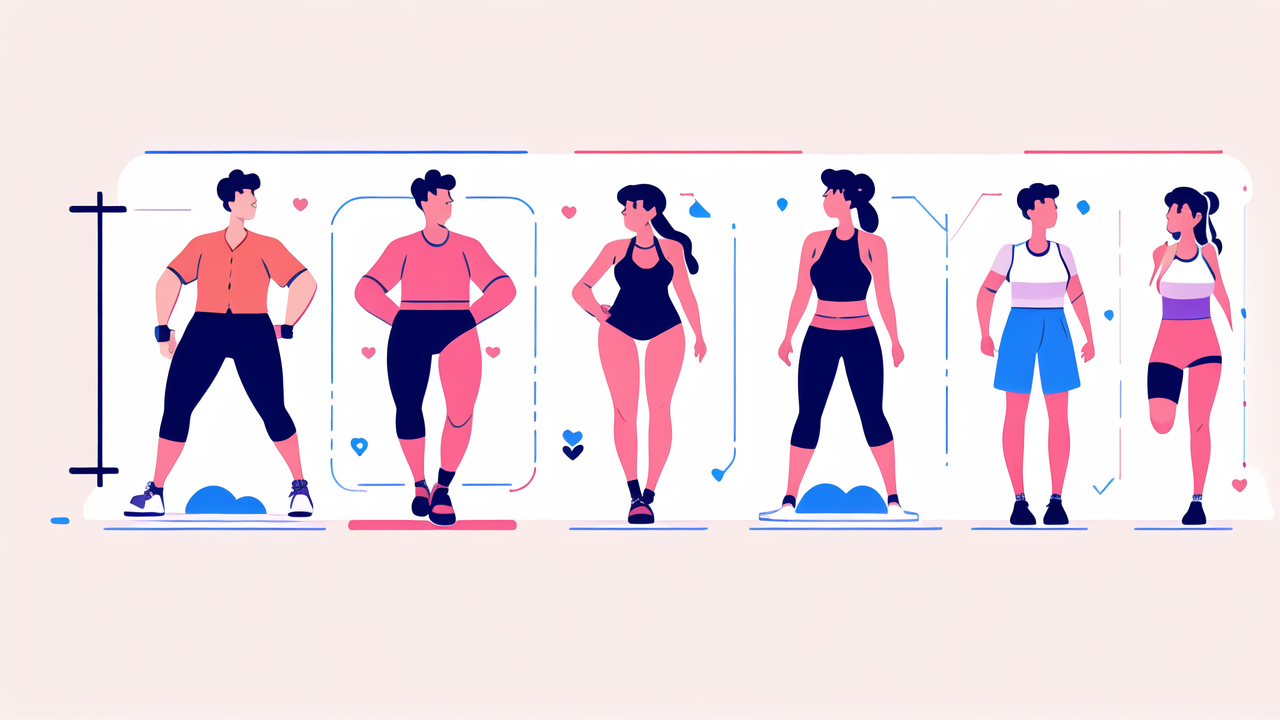
Body measurements are key to understanding your health. They give you a clear picture of your physical state. These numbers help you track changes in your body over time. They can show if you're making progress or if you need to adjust your habits.

Common body measurements include:
- Weight
- Body fat percentage
- Muscle mass
- Waist size
- Body Mass Index (BMI)
These metrics can reveal a lot about your overall health. For example, your waist size can indicate your risk for certain diseases. Body fat percentage can show if you're in a healthy range. Muscle mass can tell you about your strength and metabolism.
Tracking these measurements regularly can help you spot trends. You might notice changes that you can't see in the mirror. This data can motivate you to stick to your health goals. It can also help you make informed decisions about your diet and exercise.
Advantages of Monitoring Your Body Measurements Regularly
Regular body measurement tracking offers many benefits. It can be a powerful tool in your health journey. Here are some key advantages:
- Goal setting: Accurate data helps you set realistic fitness goals.
- Progress tracking: You can see your improvements over time.
- Motivation: Seeing positive changes can boost your morale.
- Early detection: You can spot potential health issues early.
- Personalized plans: Data helps create tailored diet and exercise plans.
Consistent tracking allows you to see small changes. These might not be visible day-to-day. But over time, they add up to significant progress. This can be very encouraging when you're working on long-term goals.
Regular monitoring also helps you understand your body better. You might notice patterns in how your body responds to different foods or exercises. This knowledge can help you make better choices for your health.
Comparing Smart Watches and Body Measurement Trackers
Features That Matter in a Body Measurement Tracker
When choosing a body measurement tracker, certain features are important. These features can make your tracking more accurate and useful. Here's what to look for:
- Accuracy: The device should give consistent, reliable measurements.
- Ease of use: It should be simple to operate and understand.
- Multiple metrics: Look for trackers that measure various body stats.
- Data storage: The device should store your data over time.
- Battery life: A long-lasting battery means less frequent charging.
- Comfort: If it's wearable, it should be comfortable for long periods.
- Water resistance: This is useful if you swim or sweat a lot.
Some advanced features to consider:
- Bluetooth connectivity: For easy data transfer to your phone or computer.
- App integration: Compatibility with popular fitness apps.
- Goal setting: The ability to set and track personal targets.
- Reminders: Alerts to remind you to take measurements or exercise.
Remember, the best tracker for you depends on your specific needs and goals. Consider what metrics are most important to you before making a choice.
How Smart Watches and Trackers Approach Body Measurement Monitoring
Smart watches and dedicated body measurement trackers have different strengths. Smart watches are versatile devices. They offer many features beyond just body tracking. These often include:
- Step counting
- Heart rate monitoring
- Sleep tracking
- Notifications from your phone
- GPS for outdoor activities
However, their body measurement capabilities may be limited. They usually focus on basic metrics like steps and calories burned.
On the other hand, dedicated body measurement trackers are more specialized. They focus on providing detailed body composition data. These trackers often use advanced technologies like:
- Bioelectrical impedance analysis
- 3D body scanning
- Multiple sensor systems
These methods can give more accurate readings of body fat, muscle mass, and other metrics. Dedicated trackers may offer deeper insights into your body's changes over time.
The choice between a smart watch and a body measurement tracker depends on your priorities. If you want an all-in-one device for general fitness tracking, a smart watch might be best. If you're focused on detailed body composition data, a dedicated tracker could be more suitable.
Implementing Body Measurement Tracking in Your Routine
Best Practices for Using Body Measurement Trackers
To get the most out of your body measurement tracker, follow these best practices:

- Be consistent: Take measurements at the same time each day.
- Follow instructions: Use the device exactly as directed for accuracy.
- Be patient: Body changes take time, so don't expect instant results.
- Keep records: Log your measurements regularly to track trends.
- Set realistic goals: Use your data to set achievable targets.
- Stay hydrated: Hydration levels can affect some measurements.
- Consider other factors: Things like menstrual cycles can influence results.
It's important to use your tracker as a tool, not a judge. The numbers are just data, not a measure of your worth. Use them to inform your health decisions, not to criticize yourself.
Remember to look at long-term trends rather than daily fluctuations. Your body naturally varies day to day. What matters is the overall direction of change over weeks and months.
Combine tracking with a balanced lifestyle. Focus on healthy eating, regular exercise, and good sleep. These habits, along with tracking, can lead to lasting improvements in your health.
Integration with Lifestyle and Fitness Apps
Many body measurement trackers can connect with popular health and fitness apps. This integration can make your data more useful. It allows you to see all your health information in one place.
Benefits of connecting your tracker to apps include:
- Comprehensive view: See all your health data together.
- Trend analysis: Apps can help you spot patterns over time.
- Goal setting: Use your data to set and track fitness goals.
- Personalized advice: Some apps offer tips based on your data.
- Motivation: Share progress or compete with friends for extra drive.
Popular apps that often work with trackers include:
- MyFitnessPal
- Apple Health
- Google Fit
- Fitbit
- Samsung Health
When choosing a tracker, check which apps it works with. Look for compatibility with apps you already use or want to try. This will help you get the most out of your tracking.
Remember, the goal is to improve your health and fitness. Use the insights from your tracker and apps to make positive changes. With consistent use and smart integration, these tools can help you achieve your wellness goals.


Leave a comment
This site is protected by hCaptcha and the hCaptcha Privacy Policy and Terms of Service apply.