

The Rise of Smart Fabric in the Apparel Industry
Understanding Smart Fabric Technology
Smart fabric is a cutting-edge textile that blends traditional materials with advanced tech. It can sense and react to environmental changes or user input. These fabrics often have sensors, conductive threads, or special coatings. They can monitor vital signs, adjust temperature, or even change color. Some smart fabrics can even store and transmit data. This tech is revolutionizing how we think about and use clothing. It's not just about looking good anymore – it's about enhancing our daily lives.

Benefits of Smart Fabric in Fashion
Smart fabric offers many perks in the fashion world. It can make clothes more comfortable and functional. For example, it can regulate body temperature in extreme weather. Some smart fabrics can repel stains or odors, making clothes easier to maintain. They can also enhance safety, with built-in lights for nighttime visibility. For fitness enthusiasts, smart fabric can track workouts and vital signs. In healthcare, it can monitor patients' conditions. Smart fabric is making clothes work harder for us, adding value beyond just style.
Key Players in the Smart Fabric Market
Several companies are leading the smart fabric revolution. Google and Levi's partnered to create a smart jacket with touch controls. Under Armour offers smart shoes that track running metrics. Ralph Lauren has developed smart shirts for athletes. Startups like Hexoskin are making waves with smart clothing for health monitoring. Tech giants like Apple and Samsung are also investing in this field. Fashion brands are partnering with tech firms to stay competitive. This collaboration is driving innovation and bringing smart fabric to mainstream consumers.
Advancements in Smart Fabric Clothing
Innovations in Materials and Design
Smart fabric design is evolving rapidly. New materials are being developed that are more flexible and durable. Graphene, a super-thin and strong material, is being used in smart textiles. It can conduct electricity and is very lightweight. Researchers are also working on self-healing fabrics that can repair small tears. Some smart fabrics can now harvest energy from body heat or movement. This could power small devices without batteries. Designers are finding ways to make smart fabrics look and feel more like regular clothes. This will help increase adoption among fashion-conscious consumers.

The Role of IoT and Connectivity
The Internet of Things (IoT) is crucial in smart fabric development. It allows smart clothes to connect with other devices and the internet. This connectivity enables real-time data sharing and analysis. For example, a smart shirt can send health data to a smartphone app. IoT also allows for remote control of smart fabric functions. Users can adjust settings or receive alerts through their devices. As 5G networks expand, smart fabrics will become even more connected and responsive. This will open up new possibilities for how we interact with our clothes and the world around us.
Smart Fabric Applications in Various Clothing Segments
Smart fabric is finding its way into many clothing types. In sportswear, it's used for performance tracking and injury prevention. Compression garments with sensors can monitor muscle fatigue. In outdoor wear, smart fabrics can adapt to weather changes. They can provide warmth or cooling as needed. In the workplace, smart uniforms can enhance safety for workers in hazardous environments. Even in everyday wear, smart fabrics are being used for comfort and convenience. From shirts that never wrinkle to socks that prevent blisters, the applications are diverse and growing.
The Impact of Smart Fabric on Consumer Behavior
How Smart Fabric is Changing the Shopping Experience
Smart fabric is reshaping how we shop for clothes. Consumers now consider tech features alongside style and fit. Virtual try-on technology lets shoppers see how smart clothes will look and function. Some stores offer interactive displays to demonstrate smart fabric capabilities. Online shopping is also evolving, with more detailed product information about tech features. Customization is becoming more common, as smart fabrics can be tailored to individual needs. This shift is making clothing shopping more engaging and personalized.
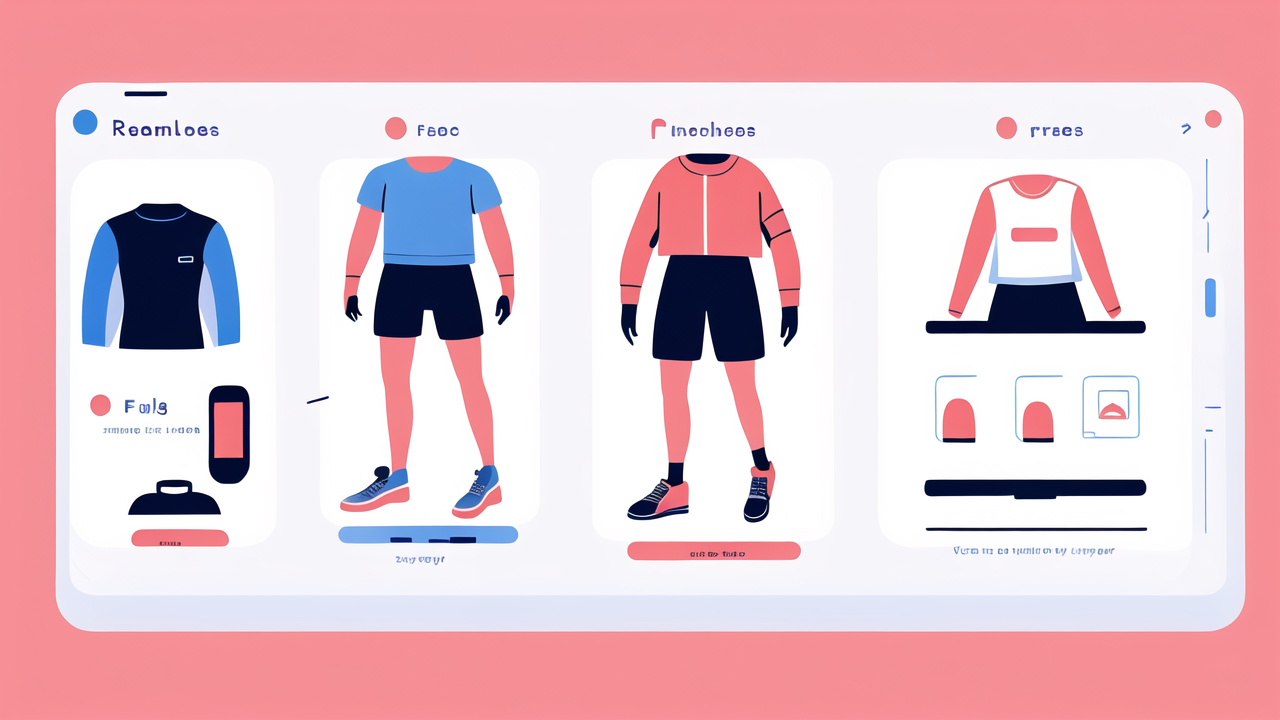
Consumer Adoption Rates for Wearable Technology Clothing
Adoption of smart fabric clothing is growing, but it's still in early stages. Fitness enthusiasts and tech-savvy consumers are the early adopters. They're drawn to the performance benefits and novelty. However, mainstream adoption faces some hurdles. Cost is a factor, as smart clothes are often pricier than regular ones. There are also concerns about privacy and data security. Some consumers worry about washing and maintaining smart garments. Despite these challenges, adoption is expected to increase as prices drop and benefits become clearer. Education and marketing will play key roles in driving wider acceptance.
Future Trends in Fashion and Technology Convergence
The future of fashion and tech looks exciting and transformative. We can expect more seamless integration of tech into clothing. Fabrics may become 'smarter' without visible gadgets or wires. Augmented reality could blend with smart fabrics for interactive experiences. Sustainable smart fabrics will likely gain importance, addressing environmental concerns. Personalization will reach new levels, with clothes adapting to individual preferences and needs. The line between fashion and technology will continue to blur. This convergence will create new possibilities for self-expression, health, and daily living. As smart fabrics evolve, they'll redefine our relationship with clothing and technology.



Leave a comment
This site is protected by hCaptcha and the hCaptcha Privacy Policy and Terms of Service apply.