
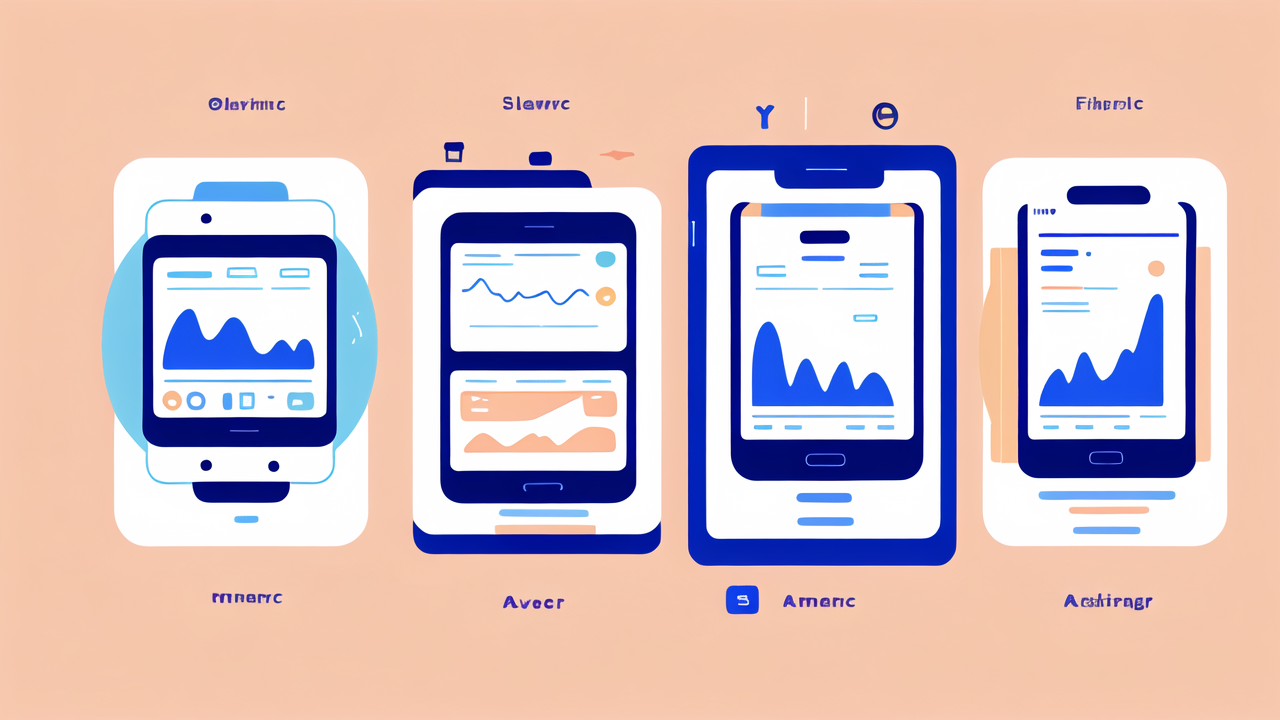
The Evolution of Smart Pro Watches: From Niche to Mainstream
The Origins of Wearable Technology in Fashion
Wearable tech in fashion began with simple digital watches. These devices paved the way for more advanced gadgets. Early smart watches were bulky and had limited features. They mainly showed time and basic fitness data.
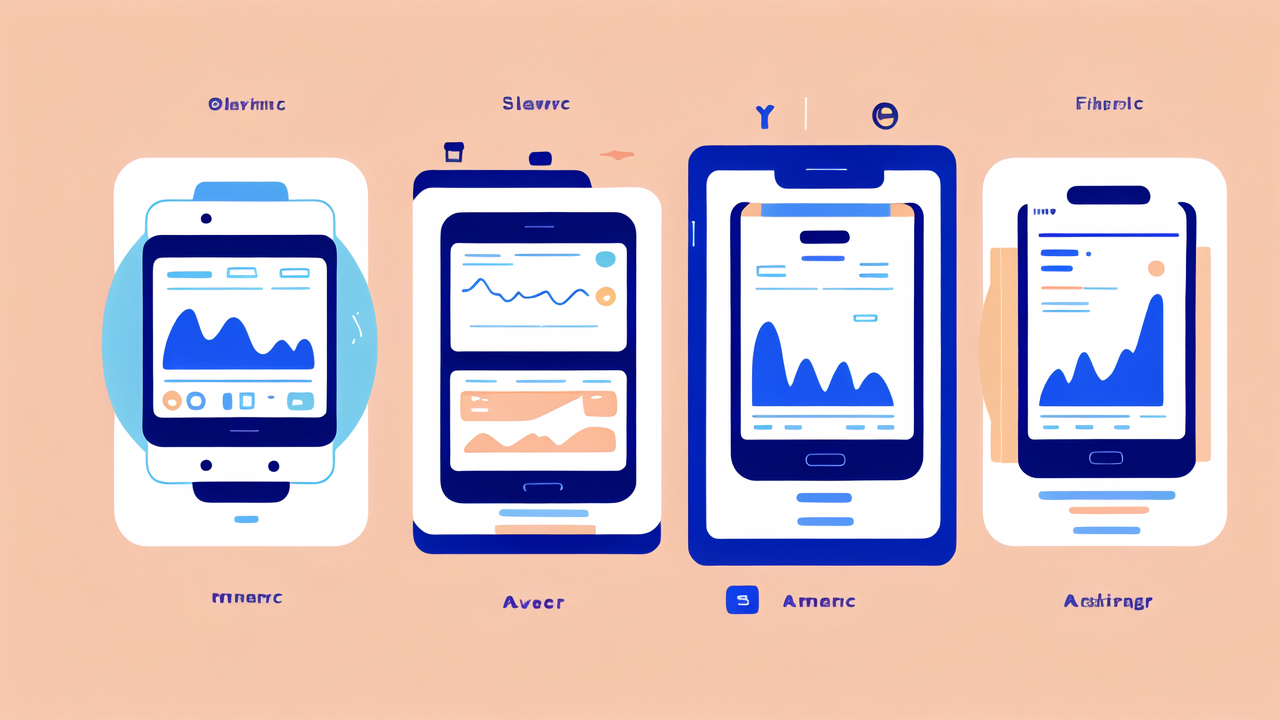
As technology improved, so did these devices. Companies started adding more sensors and functions. This made smart watches more useful in daily life. The goal was to create a device that was both stylish and practical.
Smart pro watches emerged as a high-end option. They combined luxury with advanced tech features. This blend of fashion and function helped smart watches gain popularity.
Milestones in Smart Pro Watch Development
The first major milestone was the launch of fitness trackers. These devices focused on health monitoring. They could count steps, track sleep, and measure heart rate.
Next came smartwatches with phone-like features. Users could now receive notifications and make calls. This made smart watches more than just fitness devices.
The introduction of touchscreens was another big step. It made interacting with smart watches easier and more intuitive. GPS integration allowed for better location tracking and navigation.
Water resistance became a standard feature. This made smart watches more durable and versatile. The ability to store and play music was also a game-changer for many users.
The Role of Consumer Demand in Shaping the Market
Consumer demand has greatly influenced smart watch development. People wanted devices that were both functional and fashionable. This led to sleeker designs and more customization options.
Health-conscious consumers drove the demand for better fitness features. Smart watches began offering more detailed health metrics. This included stress monitoring, blood oxygen levels, and ECG readings.
The need for longer battery life pushed companies to improve power efficiency. Consumers also wanted more apps and integration with other devices. This led to the creation of app stores for smart watches.
As demand grew, prices became more competitive. This made smart watches accessible to a wider audience. The variety of options increased, catering to different needs and preferences.
Technological Advancements in Smart Pro Watches
Innovations in Battery Life and Durability
Battery life has been a key focus in smart pro watch development. Early models often needed daily charging. This was inconvenient for many users. Manufacturers have worked hard to extend battery life.

New battery technologies have emerged. Some watches now use solar charging to supplement battery power. Others have adopted more efficient processors to reduce power consumption.
Improved power management systems have also made a difference. These systems optimize how the watch uses energy. Some features are turned off when not in use to save power.
Durability has also seen major improvements. Many smart pro watches are now water-resistant. Some can even be used for swimming. Tougher materials like sapphire crystal are used for screens.
The Integration of AI and Machine Learning
AI and machine learning have revolutionized smart pro watches. These technologies allow watches to learn from user behavior. They can provide personalized insights and recommendations.
AI helps in better health monitoring. It can detect irregular heart rhythms or predict potential health issues. Machine learning algorithms improve the accuracy of fitness tracking.
Voice assistants powered by AI have become common in smart watches. Users can control their devices and get information through voice commands. This makes the watches more convenient to use.
AI also enhances the user interface. It can adjust the watch face based on the user's location or activity. This makes the watch more context-aware and user-friendly.
Enhancements in User Experience and Interface
User experience has been a major focus in smart pro watch development. Touchscreens have become more responsive and easier to use. Some watches now feature haptic feedback for a better tactile experience.
Customizable watch faces allow users to personalize their devices. Users can choose from a variety of designs or create their own. This adds a fashion element to the functional device.
Gesture controls have been introduced in some models. Users can perform actions by moving their wrist or hand. This makes the watch easier to use in situations where touch isn't practical.
Data visualization has improved significantly. Health and fitness data are presented in easy-to-understand graphs and charts. This helps users make sense of their information quickly.
The Impact of Smart Pro Watches on the U.S. Market
Market Trends and Consumer Behavior Analysis
The U.S. market for smart pro watches has seen steady growth. More consumers are adopting these devices for health and convenience. The market is no longer limited to tech enthusiasts.

Health and fitness tracking remain the primary reasons for purchase. Many users see smart watches as tools for improving their wellness. This trend has led to increased integration with healthcare systems.
Fashion-conscious consumers are driving demand for stylish options. Many luxury watch brands have entered the smart watch market. This has blurred the line between traditional and smart watches.
Younger consumers are particularly drawn to smart watches. They appreciate the convenience and tech-savvy image. Older adults are also adopting these devices for health monitoring.
Compliance and Regulatory Considerations for Smart Watch Manufacturers
Smart watch manufacturers face various regulatory challenges. Privacy is a major concern, especially for health data. Companies must comply with laws like HIPAA for handling sensitive information.
Data security is another crucial area. Manufacturers must ensure their devices are protected against hacking. This includes secure data transmission and storage.
The FDA regulates some smart watch features as medical devices. This applies to functions like ECG monitoring. Manufacturers must obtain approval for these features.
Consumer protection laws also apply to smart watches. This includes warranties and accurate marketing claims. Companies must be careful not to overpromise on device capabilities.
Future Outlook: What's Next for the Smart Pro Watch Industry?
The future of smart pro watches looks promising. We can expect more advanced health monitoring features. This might include non-invasive blood glucose monitoring or blood pressure tracking.
Integration with other smart devices will likely increase. Smart watches could become central hubs for controlling smart homes. They might also play a bigger role in mobile payments and digital identity.
Augmented reality (AR) could be the next big feature. Smart watches might project information onto the user's hand or environment. This would create new ways to interact with digital content.
Battery technology will continue to improve. We might see smart watches that can go weeks without charging. New energy harvesting methods could make charging even more convenient.
The line between smart watches and medical devices may blur further. We might see more specialized devices for managing specific health conditions. This could open up new markets and applications for smart watch technology.



Leave a comment
This site is protected by hCaptcha and the hCaptcha Privacy Policy and Terms of Service apply.